Why Honey Coupons Extension Sometimes Fails and How to Fix It?
People have become remarkably comfortable letting a browser extension handle the last few seconds of a purchase. Add an item, reach checkout, click the savings button, and expect everything to work. When honey coupons suddenly fail, the disappointment is usually not because Honey has stopped searching. The problem is often somewhere between the extension, the retailer’s checkout system, the coupon’s conditions, and the browser itself.
PayPal Honey says its extension automatically searches and tests available coupon codes at checkout across more than 30,000 supported sites. If it finds a working code, it applies the one producing the biggest savings for the order. Honey also makes clear that finding no applicable code does not necessarily mean the extension is broken.
That distinction matters. Sometimes the technology is working perfectly and there simply is no qualifying coupon.
1. Honey Coupons Fail When The Browser Extension Cannot Properly Reach The Checkout
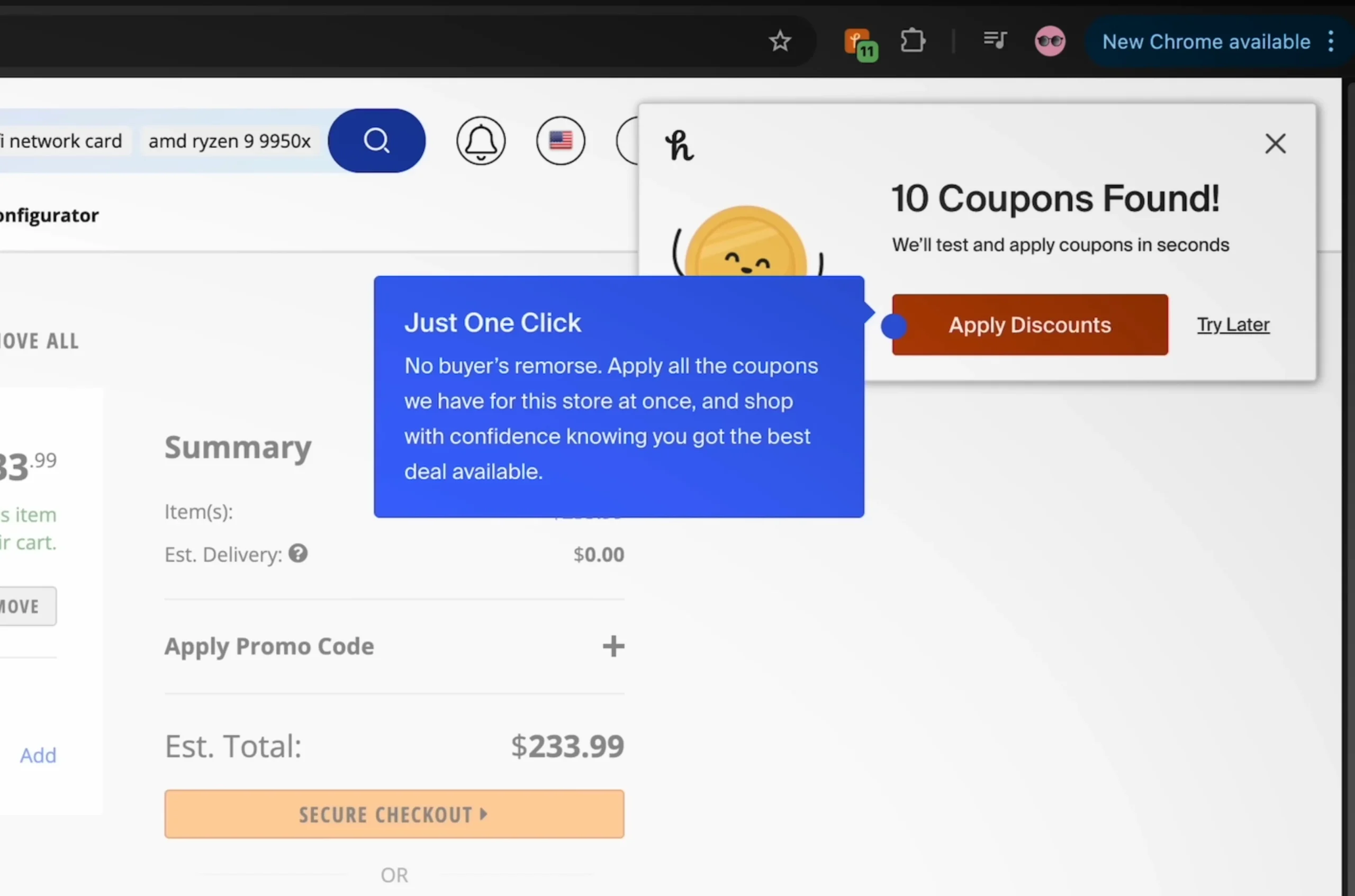
The first thing to investigate is the browser itself. Honey needs permission to interact with shopping pages so it can identify eligible offers and apply codes. Honey’s own troubleshooting documentation says the extension should appear in the browser toolbar when it is installed correctly, with the Honey icon indicating whether the current site is supported. (help.joinhoney.com)
A missing icon, inactive extension, or unsupported shopping site can therefore look like a coupon problem when it is actually an access problem.
Check Whether Honey Recognizes The Store
On Chrome, Firefox, Opera, and Edge, Honey says the toolbar icon turns orange when the shopping site is supported. Available coupons are indicated through the extension interface. Safari behaves differently, with the Honey icon remaining grey and available coupons indicated by a red number. (help.joinhoney.com)
This is the fastest diagnostic check.
If Honey is completely absent, check whether the extension is installed and enabled. If it appears but does not show coupon information, the retailer may not currently be supported or Honey may not have an applicable offer.
Permissions Can Stop Automatic Testing
A modern browser can restrict extensions from reading or changing website data. Honey explains that its extension needs appropriate website access to search for deals and apply codes when the user requests it. (get.joinhoney.com)
This becomes especially relevant on Safari mobile. Honey’s current instructions say users must enable the extension and allow Honey permissions for the relevant websites before automatic coupons can appear. (help.joinhoney.com)
So if Honey suddenly works on a laptop but not on an iPhone, the issue may be permissions rather than the coupon itself.
A Browser Extension Error Is Not Always A Honey Error
Multiple shopping extensions can interfere with checkout scripts. Price comparison tools, ad blockers, privacy extensions, password managers, and other coupon extensions may all modify pages in different ways.
There is no universal Honey rule saying another extension always causes a failure, but disabling unnecessary shopping extensions temporarily is a sensible troubleshooting test.
The goal is not to uninstall everything. It is to isolate the variable.
Open the retailer in a clean browser session, keep Honey enabled, and test the same cart. If the coupon appears there, another browser setting or extension may have been interfering with the original checkout.
Retailer Checkout Changes Can Break A Previously Working Coupon
This is one of the least obvious causes.
Honey tests codes against the checkout it encounters. If a retailer changes its checkout structure, adds a new payment step, moves the coupon field, or changes how discounts are validated, a previously successful code may stop working.
Honey itself says it automatically tests available codes and applies a working one when found. (help.joinhoney.com)
That means the extension is not a universal guarantee that every code in its database will work on every version of a retailer’s checkout.
2. Browser Extension Error And Cache Clearing Are The First Fixes Worth Trying
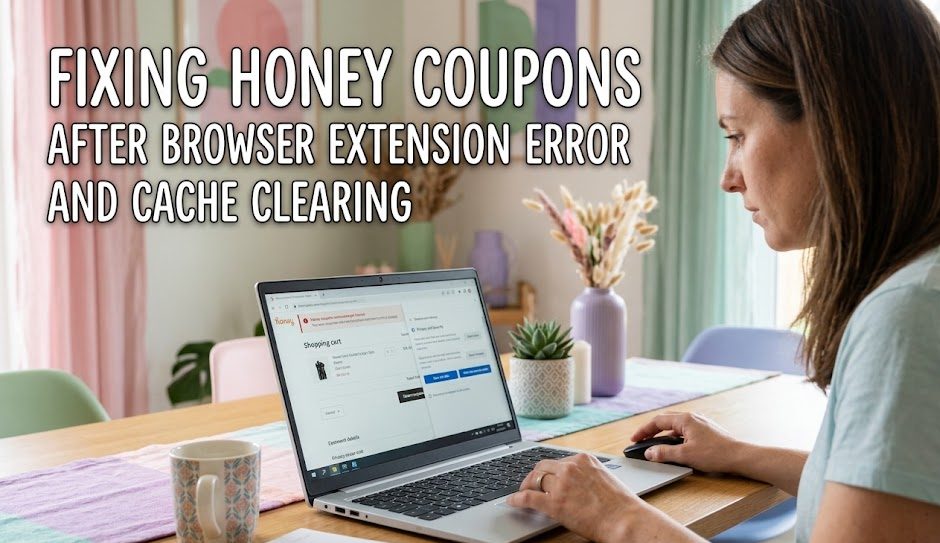
Before hunting for another coupon, fix the environment in which the coupon is being tested.
A browser extension error can be caused by an outdated extension state, blocked permissions, conflicting browser tools, or a retailer page that has not loaded correctly. Honey’s own support material recommends checking whether the extension is installed and visible, while its mobile documentation specifically addresses extension permissions. (help.joinhoney.com)
A sensible troubleshooting order is:
- Refresh the product and checkout pages.
- Confirm Honey is enabled.
- Confirm the retailer is supported.
- Check Honey’s website permissions.
- Temporarily disable conflicting shopping extensions.
- Sign out and back into the retailer if the cart behaves strangely.
- Restart the browser and test again.
Cache clearing can also be useful when a retailer’s checkout is displaying stale information. It should not be treated as a magical coupon fix, but clearing cached site data can remove old checkout sessions, broken scripts, or stored page states that prevent a promotion interface from loading correctly.
The important point is to clear data strategically rather than wiping every browser setting immediately. If the problem occurs only on one retailer, testing that site’s data first is more practical.
Honey’s documentation also confirms that its extension works differently from the mobile app. The desktop extension operates directly on supported shopping websites, while the mobile app uses its own shopping environment and deal interface. (help.joinhoney.com)
That means switching devices can produce a different result without either version necessarily being broken.
3. Automatic Code Testing Is Useful But Manual Coupon Research Still Has A Place
The biggest misconception about Honey is assuming that automatic testing means every possible coupon has been found.
It does not.
Honey says it searches available codes and automatically applies a working code when it finds one. If no code improves the order, Honey simply reports that no better code was found. (help.joinhoney.com)
That is an important difference between “Honey found nothing” and “no coupon exists anywhere.”
Automatic Code Testing Depends On Available Codes
Honey’s system relies on coupon information available to it. The company also allows members to submit coupon codes directly through the extension, although submitted codes go through testing before being added for other members. (help.joinhoney.com)
So a brand-new retailer code may not immediately appear in Honey.
This is exactly when manual research makes sense.
Check the retailer’s official promotion page, newsletter offer, loyalty account, or legitimate coupon directory. If you find a valid code that Honey does not recognize, Honey says members can submit it through the extension on supported sites. (help.joinhoney.com)
Check The Coupon Conditions Before Blaming Honey
A coupon can fail because the order does not meet its requirements.
Typical restrictions include:
- Minimum purchase requirements
- Specific product categories
- New-customer limitations
- Excluded brands
- Sale-item exclusions
- One-time-use restrictions
- Expiration dates
- Geographic restrictions
If a code fails, check the retailer’s terms before repeatedly running the same code.
Honey’s role is to test available promotions against the current cart. It cannot override a retailer’s eligibility rules.
Cashback Rewards Are A Separate Part Of The Calculation
cashback rewards should also be kept separate from coupon discounts.
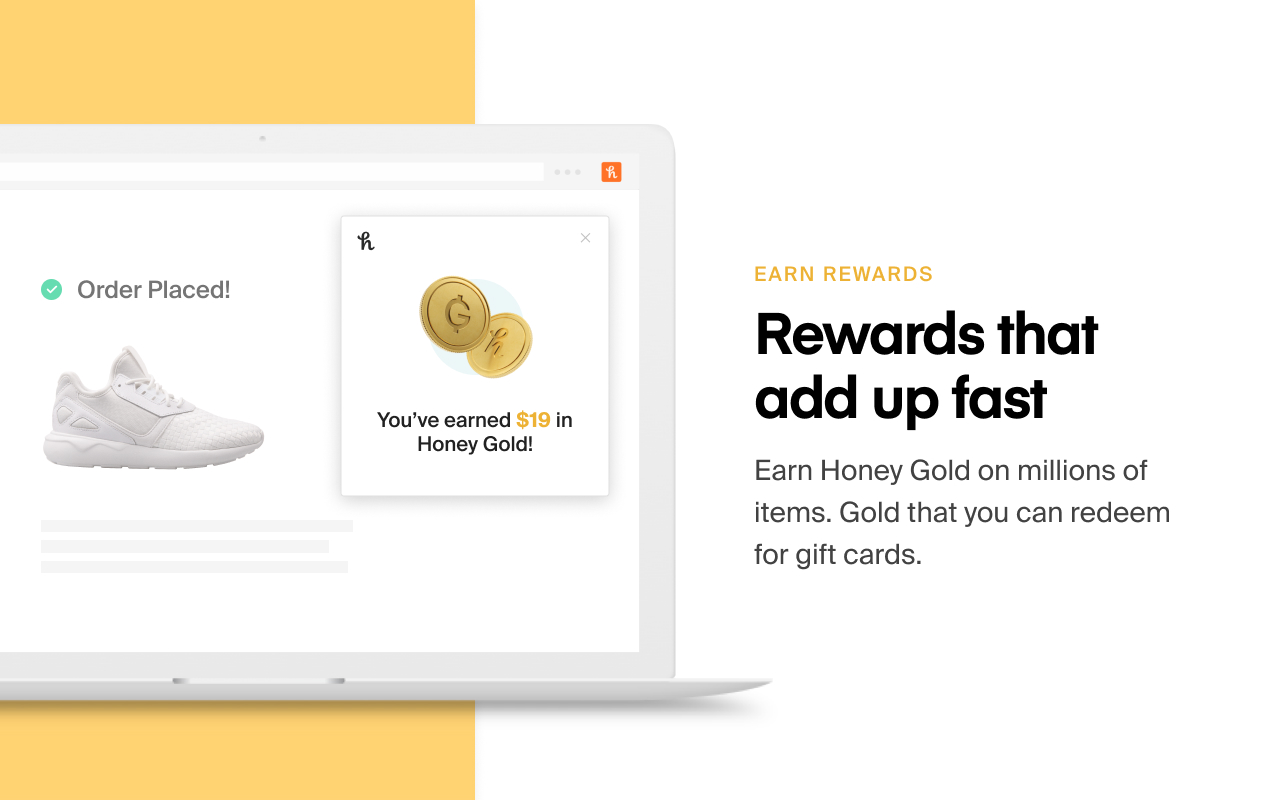
Honey’s current materials describe PayPal Rewards points as a separate benefit available on eligible purchases. The exact availability and redemption options depend on location and account eligibility. Honey states that US members can redeem eligible points through PayPal checkout or, after reaching the applicable threshold, for gift cards from participating stores. (help.joinhoney.com)
That means a failed coupon does not automatically mean the entire Honey benefit failed.
A purchase could have no usable coupon but still qualify for eligible rewards.
Conversely, a coupon can reduce the price while a particular cashback offer does not apply. Those are separate promotion mechanisms and should be evaluated independently.
The Best Manual Check Happens Before Payment
If Honey says no better coupon was found, do not immediately assume you should abandon the purchase.
Run a quick manual check.
Search the retailer’s official promotion area, inspect its current sale banner, and look for a current code from a reputable coupon source. Then compare the final checkout price.
This approach is particularly useful when the product is expensive enough that even a modest discount changes the buying decision.
It also avoids wasting time on endless expired codes.
A useful rule is simple.
Honey first, manual verification second, checkout last.
Honey’s own system is designed to save time by testing codes automatically, but manual verification is still valuable when the purchase is expensive, the promotion is new, or the retailer’s checkout has unusual restrictions.
For shoppers who already use stacking strategies at other stores, the same principle appears in this CVS coupon and ExtraBucks guide, where the actual promotion rules matter more than simply collecting as many coupons as possible.
The overall review is fairly positive, but with an important limitation. Honey is strongest when it is treated as an automated first pass rather than an infallible coupon oracle. Its official documentation is clear that the extension searches available codes and applies successful ones, not that it guarantees the absolute lowest price on every transaction. (help.joinhoney.com)
The experience is therefore much less frustrating when a failed coupon is treated as a troubleshooting signal.
If the icon is missing, fix the extension.
If the site is unsupported, look elsewhere.
If the coupon appears but fails, inspect its restrictions.
If Honey finds nothing, check legitimate manual sources.
If the coupon works but rewards do not appear, investigate the separate rewards conditions.
That sequence is faster than repeatedly clicking the same button and hoping the result changes.
Ultimately, honey coupons are useful because they automate a tedious part of online shopping, not because they eliminate the need to understand how promotions work. When the extension fails at checkout, the smartest response is diagnosis rather than frustration.
Q&A
Why Does Honey Say No Coupons Are Available When Another Website Shows A Code?
Honey may not have tested or added that particular code yet, or the code may not meet the current order’s conditions. Honey allows users to submit codes through the extension, which indicates that its coupon database can change over time. (help.joinhoney.com)
Can Clearing Browser Cache Make Honey Coupons Work Again?
It can help when stale site data or a broken checkout session prevents the promotion interface from loading correctly, but cache clearing is not a guaranteed coupon fix. Extension permissions, retailer compatibility, and coupon restrictions should also be checked.
Does A Failed Honey Coupon Mean Honey Rewards Will Also Fail?
No. Coupons and PayPal Rewards are separate features. An order may fail to receive a usable coupon while still qualifying for eligible rewards, depending on the retailer, account, location, and active promotion. (help.joinhoney.com)


Leave a Reply